
Batt Insulation in Arizona
Fiberglass and mineral wool batt insulation fitted into open framing for comfort and sound control.
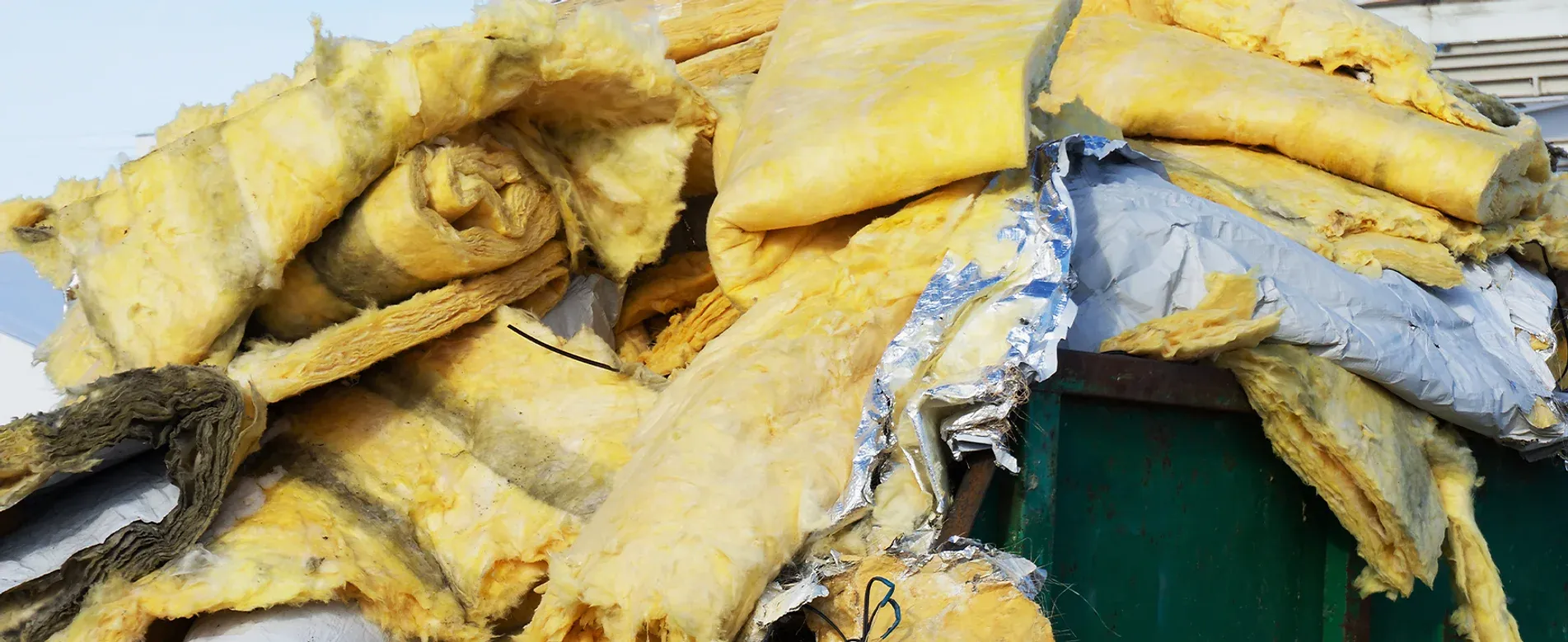
Batt insulation remains one of the most practical ways to insulate Scottsdale and East Valley properties. Pre-cut panels and rolls of fiberglass or mineral wool fit between studs, joists, and rafters, slowing the summer heat that constantly pushes through walls, floors, and ceilings.
Supreme Spray Foam Insulation installs batt insulation on residential and commercial projects across Scottsdale, Phoenix, Tempe, Mesa, Chandler, Gilbert, Paradise Valley, and Fountain Hills. The right product depends on the framing, the cavity depth, whether the space is open or finished, and what the building needs to accomplish.
Fiberglass And Mineral Wool, Explained Clearly
Fiberglass batts are the most common option and come in widths and thicknesses sized for standard wall, floor, and ceiling framing. They are affordable, widely available, and a solid fit for open cavities where the framing is regular and easy to work around.
Mineral wool batts are denser and hold their shape well inside the cavity. They are often chosen for sound control and for assemblies where a stiffer, more fire-resistive material is preferred. Many Arizona projects come down to matching the material to the framing depth, the sound goals, and the budget.
Where Batts Fit Best
Batts perform best in open framing with consistent spacing, which is why they are a natural choice for new construction, room additions, detached garages, workshops, and remodels where walls or ceilings are open before drywall. Standard stud bays and joist cavities let each piece fit cleanly edge to edge.
They also work well in accessible ceilings over garages, floors above crawl spaces, and framed walls in tenant improvements. When the framing is exposed and predictable, batts can be installed efficiently, which helps keep labor time and project cost under control.
A Proper Fit Makes The Difference
A batt only performs as intended when it fills the cavity fully. Gaps along the edges, compressed spots, and pieces stuffed into spaces that are too narrow all create thin points where Arizona heat can slip past the insulation layer and undo the work the rest of the wall is doing.
Careful installation means cutting batts to length instead of folding them, splitting them around wiring, fitting them neatly around plumbing and electrical boxes, and keeping the material fluffed rather than packed. Those details are what separate an insulation job that looks finished from one that actually performs.
Sound Control Between Rooms
Batts are a straightforward way to quiet the inside of a property. Installed in interior walls and between floors, fiberglass and mineral wool batts can help dampen airborne noise moving between bedrooms, bathrooms, laundry rooms, home offices, and media spaces.
The result is not silence, and every building behaves differently, but a well-filled wall cavity can make a home or office feel noticeably calmer. That matters in busy households, multi-family projects, and commercial spaces in Tempe, Chandler, and Mesa where offices, restrooms, and work areas share common walls.
Batts Compared To Blown-In And Spray Foam
Each insulation type has a place. Blown-in material is often the better tool for existing attics and closed wall cavities where you cannot open the framing, while spray foam adds air sealing and works well in irregular spaces with lots of penetrations, transitions, or unusual shapes.
Batts are usually the most cost-effective choice when framing is open and regular, but they do fall short in tight, obstructed, or oddly shaped cavities where cutting a clean fit is difficult. Part of an honest estimate is telling you where batts make sense and where a different approach will serve the building better.
What A Free Estimate Covers
A free estimate gives you a practical read on the building, not a generic square-foot guess. The visit can cover the target areas, framing layout, cavity depth, access conditions, material options between fiberglass and mineral wool, and whether batts fit the way the space is built and used.
You can also discuss residential or commercial goals, such as comfort, sound control, budget, or coordinating insulation with drywall and other trades on a new build or remodel. The goal is a clear scope that matches the building instead of forcing batts where blown-in or spray foam would make more sense.
Spray Foam in Action
Other Insulation Services
Common Questions
Is batt insulation a good fit for Scottsdale-area buildings?
Yes. Batt Insulation works well for many Scottsdale-area homes and commercial buildings, but the right choice depends on the space, the assembly and how it is used. During a free estimate we confirm whether batt insulation or another option fits your building.
How much does batt insulation cost?
Cost depends on the area being treated, the material and thickness, access and prep. Estimates are free and given in writing, so you know the price before any work begins.
How long does a batt insulation project take?
Most projects are completed quickly once scheduled. Your written estimate includes the expected timeline for your specific Scottsdale-area project.
Want to Know What Your Project Would Cost?
Tell us about the property and we'll help you determine the next step.
Free Written Estimates • No Obligation • Local Arizona Team